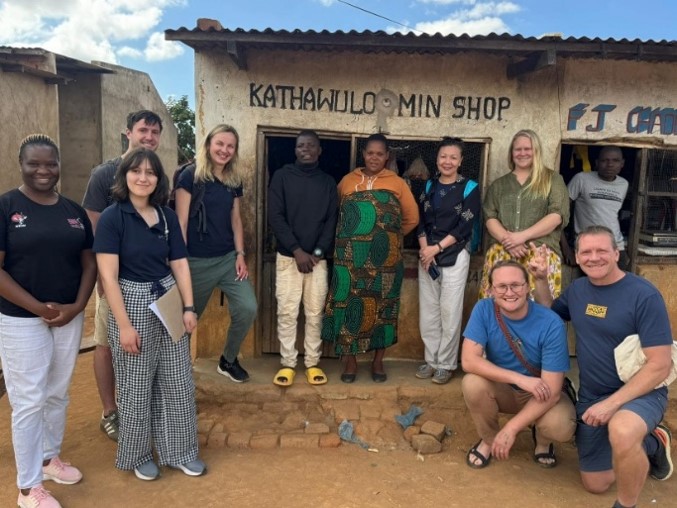
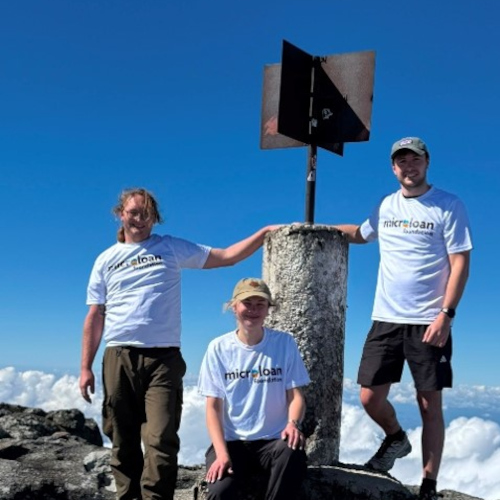
About 6 months before the visit itself, the Microloan Foundation started publicising the opportunity to participate in the trip and invited current donors to take part in a sponsored trek up Mt Mulanji (peak of 3002 m). As a member of the charities committee, I received news of the trip via the liaison officer of MF, Dimitri Varsamis, and volunteered to join the delegation representing the World Traders (WT).
More About Malawi
Malawi is ranked as a low-income country with a per capita income of US$569. A land-locked country with an agrarian economy and a growing population (22 million in 2025), it is well suited to the work of MF which seeks to lift the poorest out of poverty and to give women greater independence and autonomy. MF currently has offices in 22 districts out of 28 in Malawi and boasts 41,000 active clients. In addition to Malawi (first founded in 2002), MF also works in neighbouring Zambia and Zimbabwe and recently opened offices in South Africa.
Our contact at MF, Reeve Isaacs-Smith, was a huge help in preparing us for the trip, including advising on visas (if required), relevant vaccinations, travel insurance, packing list and on exchange of USD to cover tips and meals. We were also encouraged to set up a fundraising page with a minimum target of £1500 each.
The trek itself was organised by a third party, Crafted Africa, who provided the driver and guides as well as booking of lodge accommodation, making the entire trip extremely well-planned and smooth. All we needed to do was to book our flights, arriving at Lilongwe (capital of Malawi) and departing from Blantyre (a busy industrialised city further south). I flew with three other participants from the UK, engineers from Whitfield consultants, and was joined by three more participants from Perth, Australia. Our recommended packing list for the mountain trek can be viewed here.
Highlight of the Trip: Meeting the Women
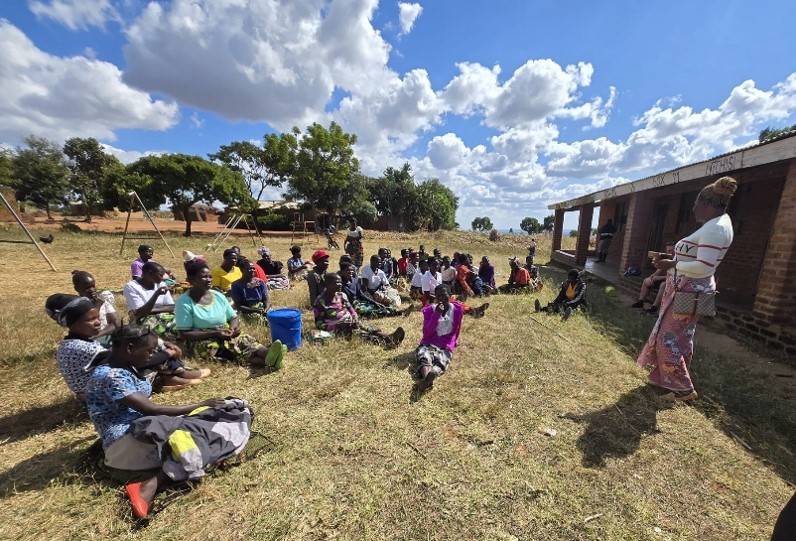
On Day 1 we visited a village outside of Lilongwe in Nchisi district. There we received a warm welcome from a gathering of some 50 women who had participated in the MF micro-loans, averaging £100 each. These loans were for a short term of about six months to kick-start their entrepreneurial journey, whether to buy products for trading or for setting up a small shop/stall.
MF had prepared survey forms for us and we split into two groups with two interpreters to interview the women in their groups of five. Questions ranged from their family background to the use of the loans, and the impact of MF’s financial support on their livelihoods. Many of the women were aspirational. In addition to making a living, they hoped to save up a better house and/or education for their children. Working in groups also ensured that the women could rely on each other should their business run into difficulty.
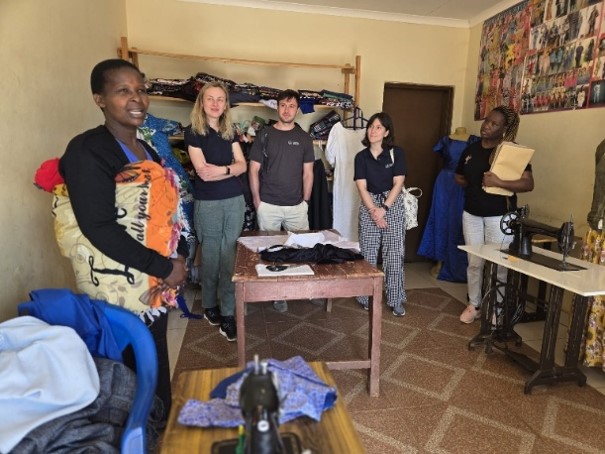
On Day 2, we were able to visit two of the clients at their places of business, the first a seamstress, a mother of eight, who had a shop selling clothing and textiles. Husbands are sometimes involved; in the case of the second client, it was the husband who helped to run the general grocer’s shop.
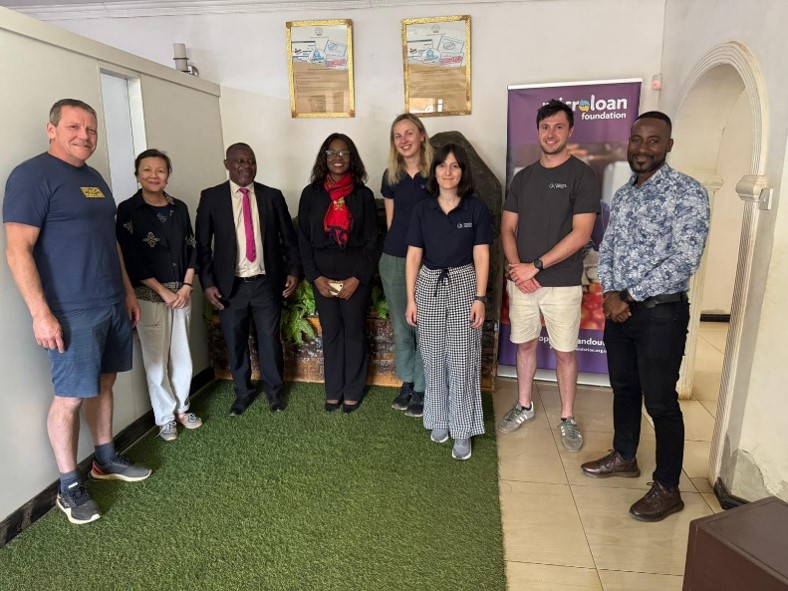
We also visited MF’s headquarters in Lilongwe and met with their CEO, Davison Rakasi and Chief Operations Officer, Elias Chakuza. En route we visited the MF office in Mponera in Dowa district, and had a session with Kate, their Partnerships and Social Performance Manager to understand how MF monitors the social impact of their work. We were advised of their toolkit developed by management consultants, Rippleworks, to check on how MF meets its mission, measures outcomes, and puts the customer at the centre of its work.
The Microloan Foundation Formula
Based on the original concept pioneered by Mohamed Yunus of the Grameen bank in Bangladesh (circa 1976), MF makes small loans without collateral to women entrepreneurs, charging a reasonable rate of interest. The women are put in groups of five who can vouch for each other and serve as their own support structure. At the same time, MF provides them with financial training on budgeting and the opening of money accounts with e-wallets. The outreach officers of MF track their progress from their offices in 22 districts, effectively covering the whole country. They have a hotline to take complaints (which go to Kate’s desk) and they constantly check on how they can improve their services.
Debrief and Personal Observations
Following our return from the trip, we had a Zoom call with Reeve and Fatsani (the HR officer based in Lilongwe) to share thoughts on the trip.
Feedback included suggestions on how we could have spent more time visiting the women entrepreneurs and have one-on-one chats that were less intrusive than in groups of five (eg when asking questions about their profit margins!)
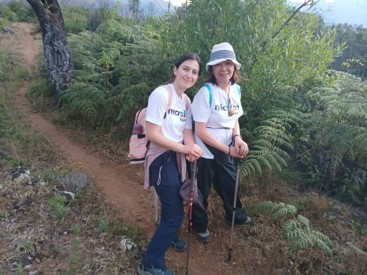
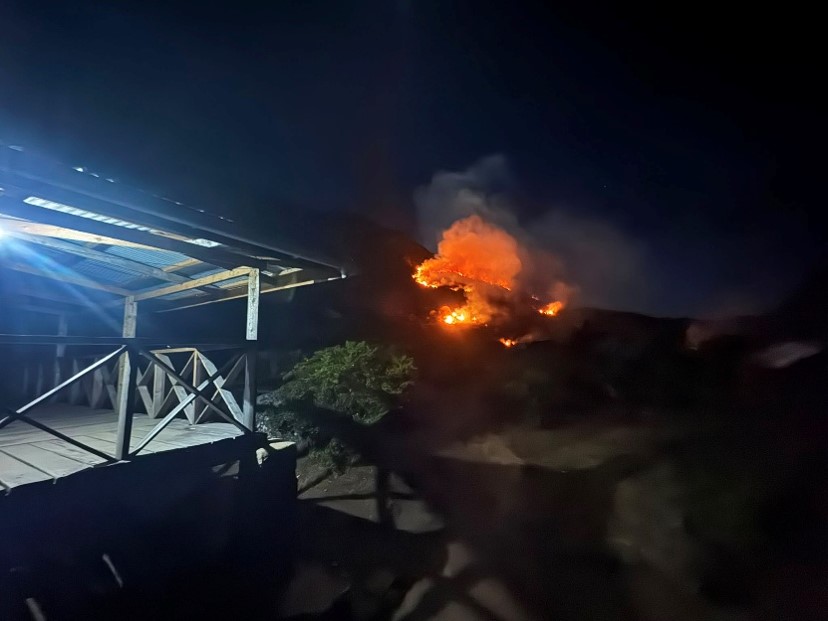
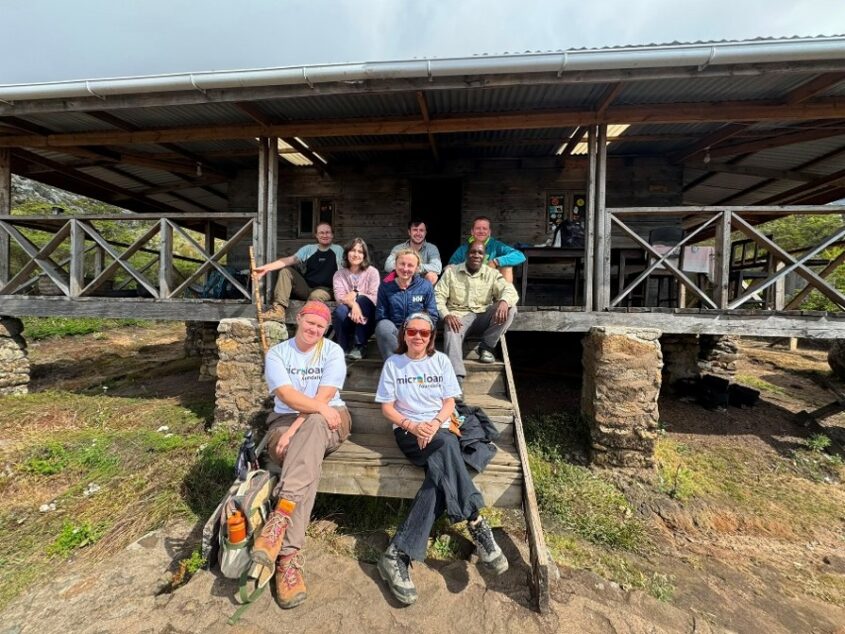
The trek was fairly arduous and only three of seven of us made it to the peak. It was partly because the terrain was quite challenging with granite boulders to climb, rivers to cross and varied vegetation (grassland to wooded areas) and it was also very hot. To cap it all, there were fires set off by poachers on our first day which was extremely alarming considering we were not sure which way the wind might be blowing. The guides appeared nonchalant and said they had seen worse which was small comfort to us. For health and safety reasons, we suggested that they should always post a guide at the end of the group to look out for the laggards (such as me!)
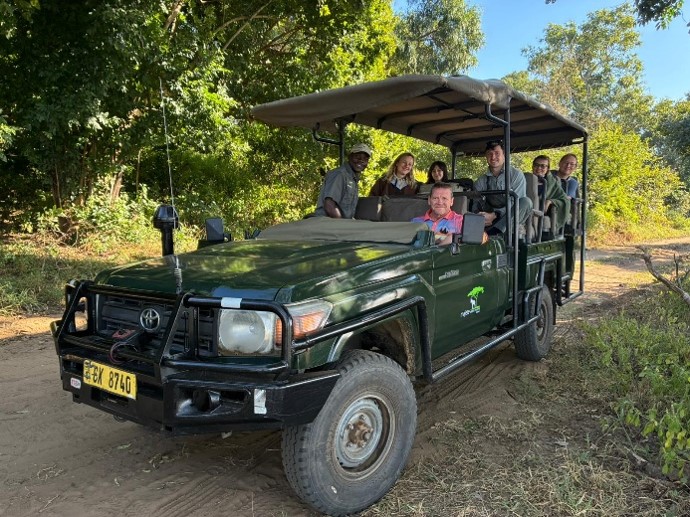
The reward came on the last day when we were treated to a safari at Majete Wildlife reserve.
After Thoughts
It was certainly a trip of a lifetime and I was grateful to have had the chance to participate. We not only learnt first-hand what Malawi was like, but meeting with the local women and talking to the MF staff team meant access and insights that tourists would not have had.
MF started operations in Malawi in 2002 and this remains the less developed of the four countries that MF works in. World Traders had in fact donated towards its Zambia work and I would like to find out more about its work there too. Based on my limited experience of changing USD into Malawi kwacha, I was made aware of the shortage of foreign currency facing the country. A new President Arthur Peter Mutharika (aged 85) was elected last year based on his “Singapore vision”. He had emphasised the need for better infrastructure and connectivity, prioritising technical education and of the need to increase exports. I asked MF if they helped the women with exporting their products, but apparently not yet. I did wonder if this was an area that the World Traders could assist in.
Coincidentally on my flight back via Addis Ababa, I met with a Chinese national who was flying from Blantyre to Beira in Mozambique. He said he spends at least six months a year in Mozambique where he has his operations and warehouse, buying produce such as cashew nuts and black sesame seeds for export to Vietnam and China. His company is registered in HK. Malawi has quite high yield products such as macadamia nuts, tobacco and coffee so there is certainly potential for export. They are limited by geography without a port, but the borders with Mozambique seem very porous. We even popped across the border when we were driving south to Blantyre.
We saw China Aid posters as well as EU Global Gateway posters whilst in Malawi.
Better transport links including rail (which apparently the Chinese are investing in) will certainly help with exports out of Malawi.
Another area of vulnerability is in energy security and the country currently relies heavily on hydro-electricity from the stations in the River Shire region. There is potential for developing more solar energy. Only 15% of households have electricity at the moment.
Next steps?
Given the World Traders’ focus on supporting charities that are involved in world trade, I would wish to follow up with MF on its work with women who are interested in developing the businesses for export. MF is a charity that is doing very socially impactful work, and hopefully WT can support it in new ways that could improve the central and southern African economies as well.
Liveryman
